

Photo credits
Continuous glucose monitors lower A1c in non‑insulin Type 2 diabetes
A New England Journal of Medicine study found that continuous glucose monitors reduce A1c levels and improve glucose control in people with Type 2 diabetes who do not use insulin.
16 Oct 2026 0 reads Compiled with AI
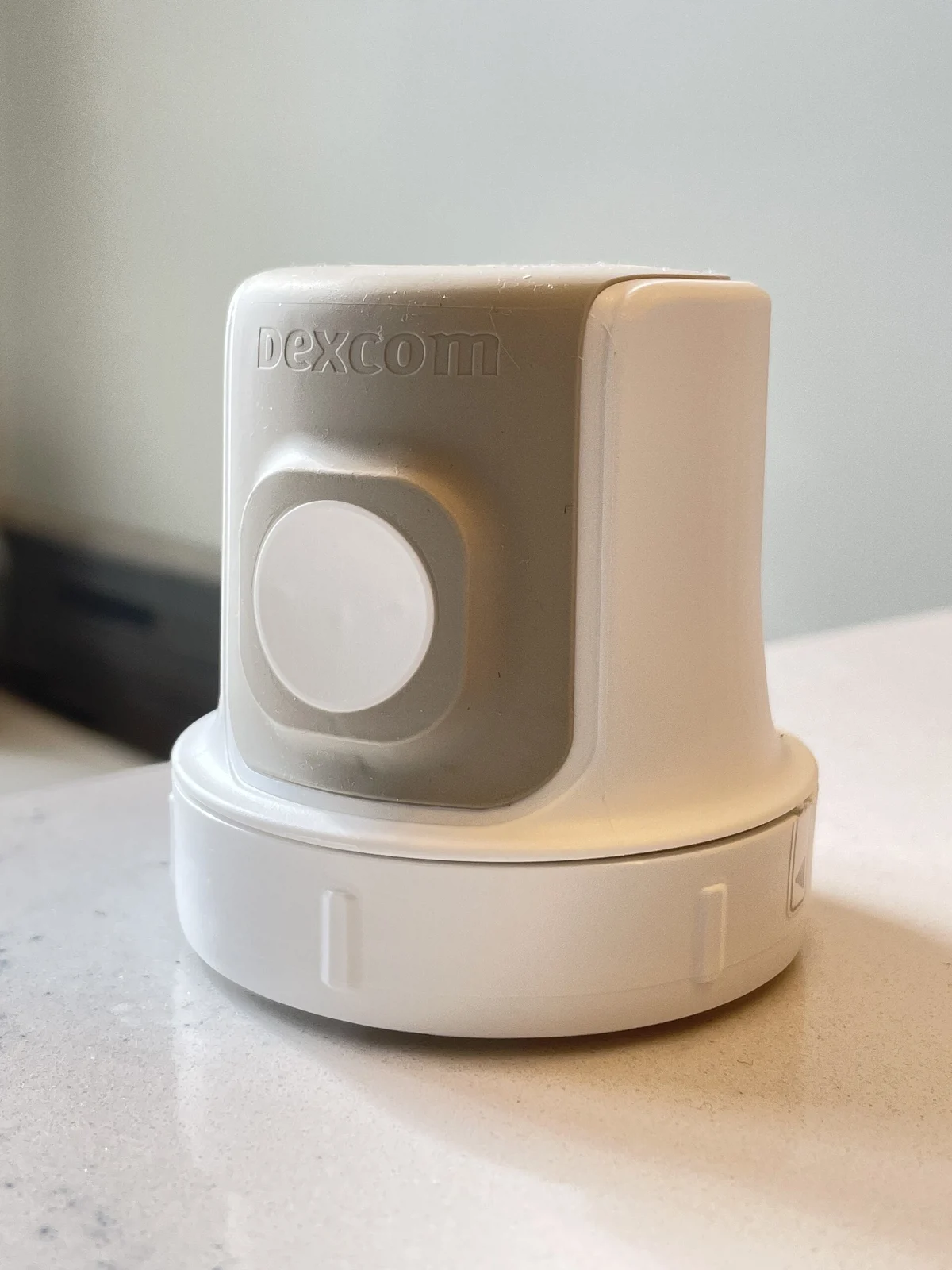
The study enrolled 440 people with Type 2 diabetes who did not use insulin at 22 U.S. primary‑care practices. Participants were randomly assigned to wear Dexcom’s G7 continuous glucose monitor (CGM) or receive routine care for 26 weeks. Those who wore the CGM saw their average hemoglobin A1c fall from 8.8% to 7.2%, while the control group fell from 8.7% to 8%. The CGM group also spent five more hours per day within the target glucose range of 70‑180 mg/dL.
Benefit across demographics
The improvement was seen across age, sex, race, ethnicity, body mass index, diabetes duration, income, education, insurance and use of other glucose‑lowering drugs. Participants who used the CGM for the full 26 weeks reported that it helped them manage their diabetes every day. Analyses also showed the biggest gains for those with the highest starting A1c, near‑elimination of prolonged hyperglycemia, and a higher rate of medication intensification among CGM users.
The findings come as diabetes technology firms push for Medicare coverage of CGMs for non‑insulin patients. Dexcom expects a decision before the end of the year with implementation in mid‑2027, which could double its covered lives from 15 million to 30 million. Competitor Abbott estimates a similar expansion could add about 10 million Medicare beneficiaries. Roughly 25 million U.S. adults have Type 2 diabetes and do not use insulin, according to William Blair analysts.