


Congo's Ebola outbreak tops 10,000 cases
Nearly half of those confirmed have died, making it the deadliest Ebola outbreak in Congo's history.
27 Oct 2026 0 reads Compiled with AI
The outbreak has spread to 66 health zones across eight provinces since it was declared in May. It is caused by the Bundibugyo virus, for which there is no approved vaccine or treatment.
International spread
The virus has spread to five countries, including Kenya, Nigeria and Uganda, and France. Uganda and France have no active cases at the moment. Nigeria's only confirmed case, a 42-year-old Swiss citizen, was flown from Abuja to Switzerland on Monday. Three other people linked to the outbreak have been evacuated to Europe for specialised care: two to Germany and one to the Netherlands, all health or humanitarian workers in Congo. In July, another person was evacuated to the United Kingdom after possible exposure while treating patients in Congo.
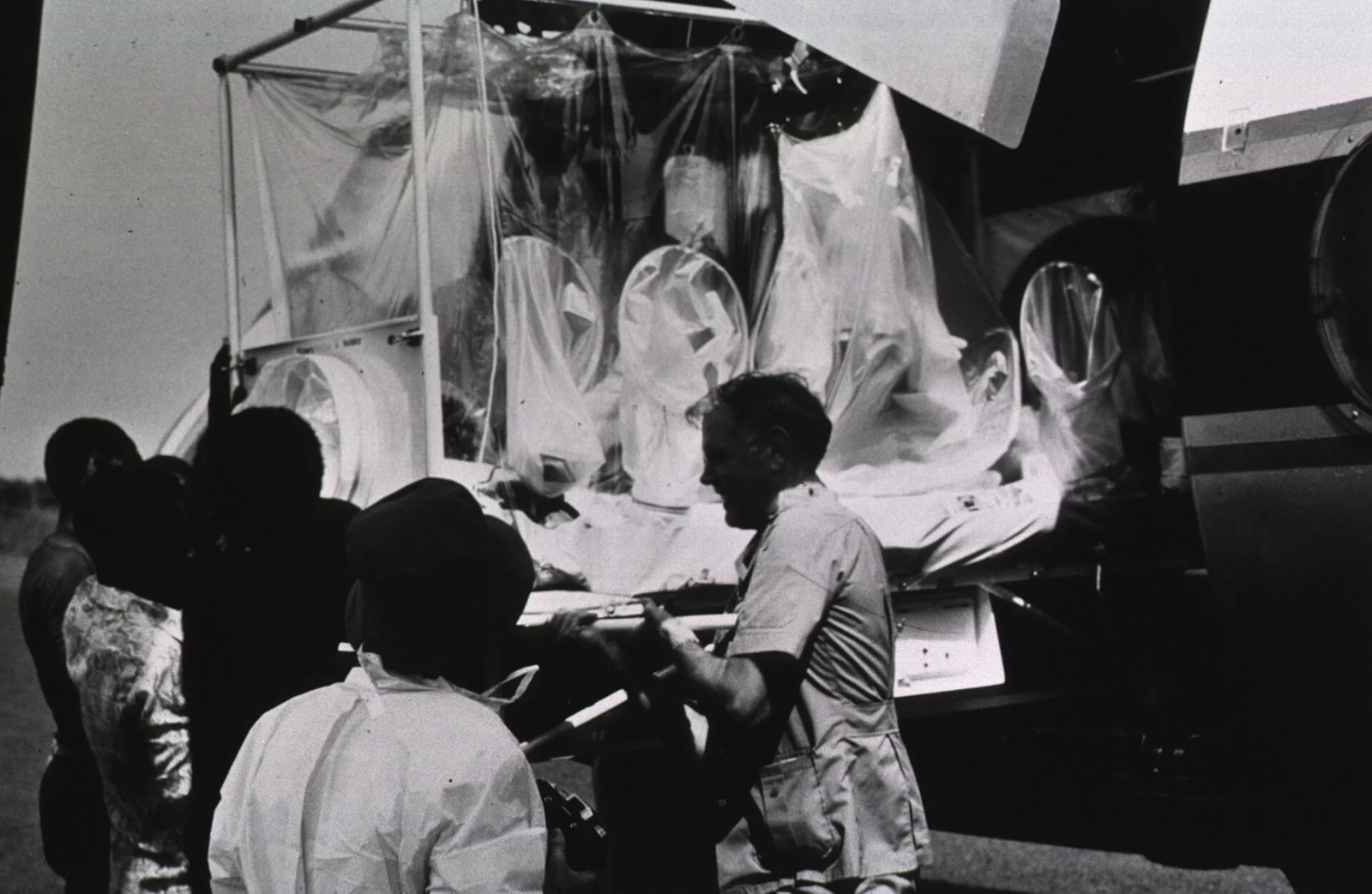
Photo credits
Response teams face armed conflict, poor roads and mistrust, which has led to delayed reporting and resistance to treatment. Health workers have gone on strike over unpaid wages, and violence against staff has been reported. On Saturday a nurse was killed and another health worker was seriously injured while responding to an Ebola alert in Bafwasende.
Uganda tightened its border controls on Sunday. Citizens returning from the DRC must now quarantine for 21 days at their own expense, and anyone who has been in the DRC cannot transit through Uganda, including on chartered flights. Non-essential Congolese travellers will be sent back through the nearest border at their own expense, and those entering illegally face prosecution.
The outbreak has also disrupted routine care, including childhood vaccinations, and has pushed up maternal deaths in some provinces, where maternal mortality has doubled. Millions of children are already out of school, and the outbreak has caused trauma and stigma for affected families.