

Blood proteins may flag prostate cancer 15 years early
The findings are not yet a screening tool, the researchers say, and they need further validation.
27 Oct 2026 0 reads Compiled with AI
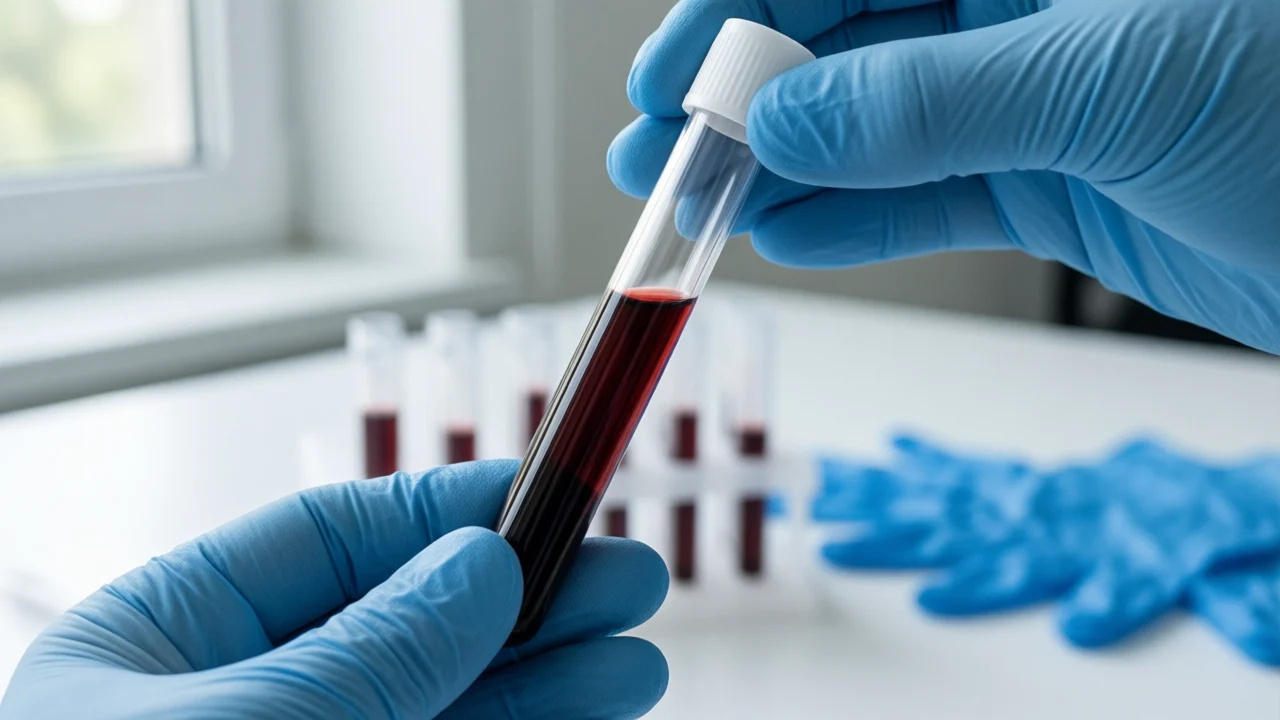
A team at Oxford University has found that certain proteins in men’s blood can signal a higher risk of developing prostate cancer more than 15 years before diagnosis. The researchers examined blood samples taken between 1992 and 2000 from more than 2,500 men. They compared 982 men who later developed the disease with 1,573 who did not. By measuring more than 6,000 proteins, the study looked for early chemical warning signs that show up long before a diagnosis.
Early protein markers reveal risk
Some proteins were linked to a higher risk of developing prostate cancer overall. Others were tied specifically to aggressive or fast-growing forms of the disease. Men with higher levels of certain immune-system proteins, such as GZMK and ANXA2, showed a lower long-term risk. The researchers say the findings could help scientists understand the biology of aggressive prostate cancer and point to markers that might improve risk assessment in the future.
The study, published in European Urology, is not yet a screening test and needs further validation. The researchers note that, together with genetic evidence, the findings could help identify biological pathways that might be targeted to prevent aggressive prostate cancer.