

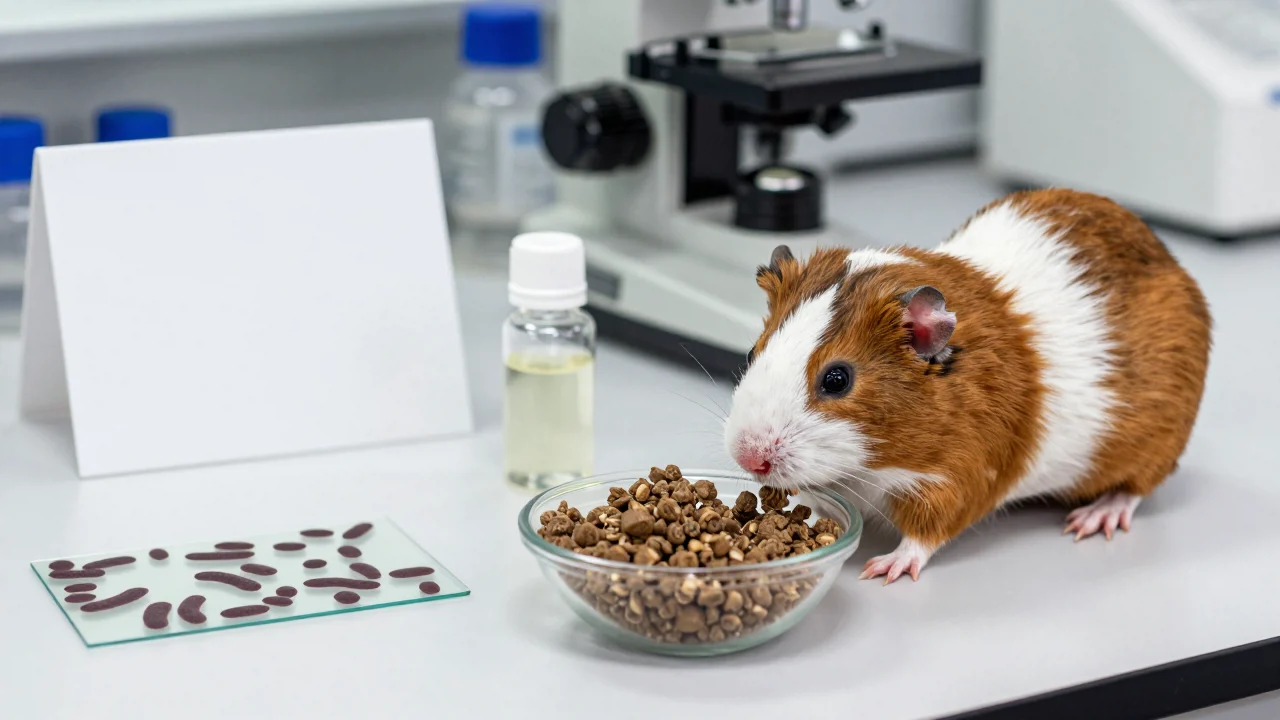
Beef protein worsens gut inflammation in mice
In mice, beef protein caused more severe colitis than pea protein, a difference driven by shifts in gut microbes and bile acids.
22 Oct 2026 0 reads Compiled with AI
#Beef protein #Pea protein #IBD #Microbiome
Simon Gray and collaborators used mouse models of inflammatory bowel disease to compare five isolated protein sources—beef, pea, soy, egg white, and casein—on intestinal inflammation. The mice were fed the proteins after colitis was induced and disease severity was measured across multiple models and both sexes. The study appeared in Cellular and Molecular Gastroenterology and Hepatology on 24 June 2026.
Severity differs by protein source
Across all models, beef‑protein mice showed the most severe colitis, while pea‑protein mice had the mildest symptoms. This trend held for both male and female animals. Beef protein alone did not cause colitis in mice that had not been triggered, suggesting its effect depends on other disease factors.
The difference was linked to the gut microbiome. When bacteria were eliminated, the beef‑protein diet no longer worsened colitis. Transferring microbes from beef‑protein mice to germ‑free mice caused severe colitis in the recipients. In non‑inflamed mice, beef protein lowered Lactobacillus johnsonii and Turicibacter sanguinis while raising Akkermansia muciniphila, a change that correlated with a thinner mucus layer. The diet also altered bile acids, raising primary and conjugated forms and decreasing secondary, unconjugated acids.
Adding psyllium, a soluble fiber, to the beef‑protein diet lowered inflammation in both chronic and acute colitis models. The fiber restored bacterial populations involved in bile‑acid metabolism and shifted bile‑acid patterns toward a profile linked to less inflammation. These results suggest that fiber can counteract the pro‑inflammatory effects of certain protein sources.
For people with inflammatory bowel disease, the findings imply that choosing plant‑based proteins and adding fiber may help reduce intestinal inflammation. Although the study used mice, the biological data support dietary approaches that favor pea or other plant proteins and fiber for managing IBD. The research highlights the need for evidence‑based protein‑choice recommendations for patients.