

Photo credits
Babylonian student offered homework to gods
A 2,500‑year‑old student turned his clay tablet into a prayer for the god of writing, Nabû.
21 Oct 2026 0 reads Compiled with AI
#Babylon #Nabû #Šamaš #Šamaš‑riḫtu‑uṣur
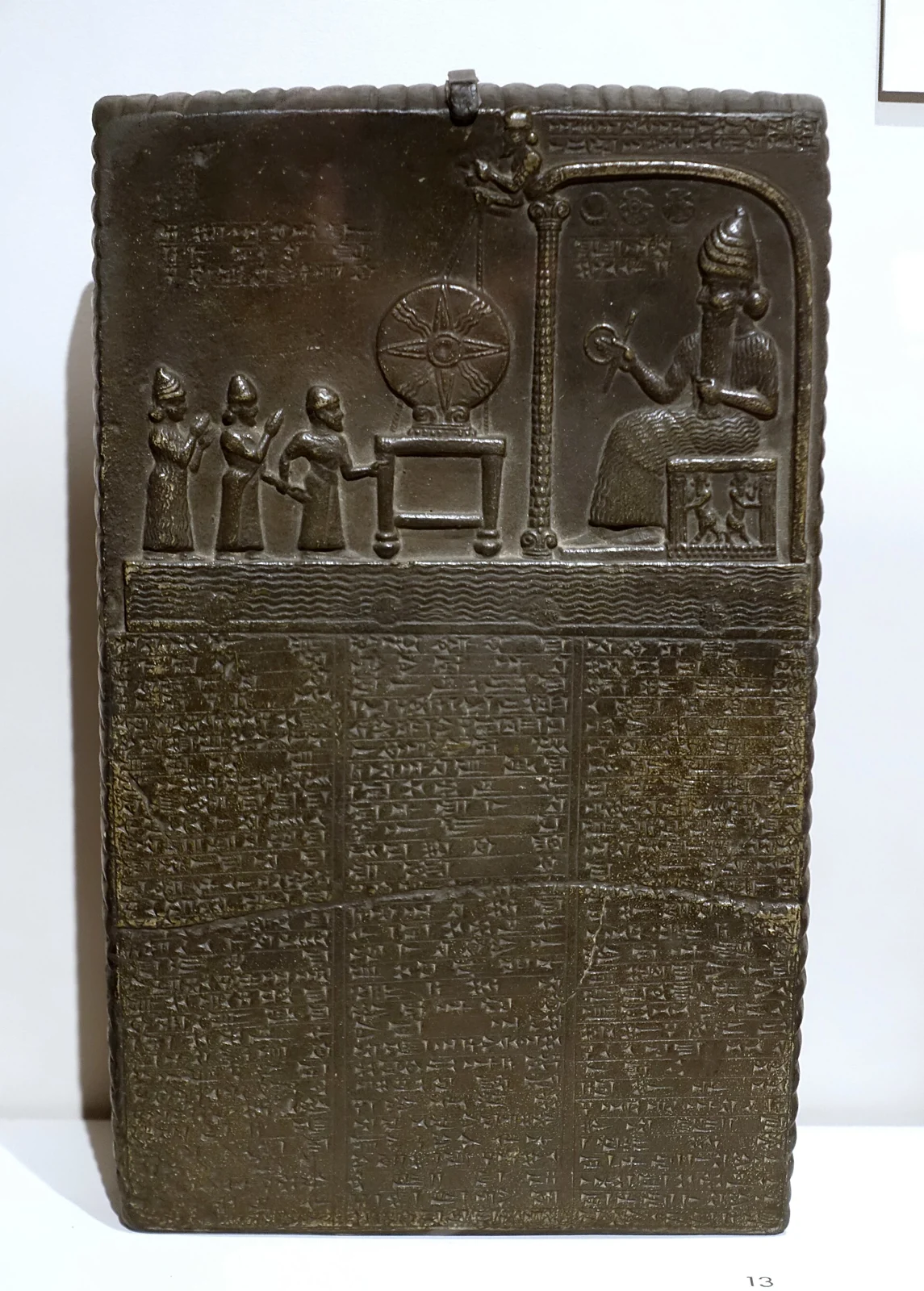
In 2022 archaeologists in Babylon found a clay tablet that belonged to a 2,500‑year‑old student named Šamaš‑riḫtu‑uṣur. The tablet, made from clean clay he brought from a sacred deposit, shows the student’s writing exercises on one side and a prayer on the other. He addressed the inscription to Nabû, the Babylonian god of writing, and deposited the tablet at a temple, hoping for good health, a long life, prosperity for his family and the chance to have children of his own.
The tablet of Šamaš‑riḫtu‑uṣur is not an isolated case. Archaeologists have found thousands of similar clay tablets that were offered to the gods as part of a broader school tradition. In the temple of Nabû in Babylon, fragments of many school offerings survive, and students also brought their finished tablets to the temple of the sun god Šamaš, even though the dedication was addressed to Nabû. Teachers or religious specialists sometimes led students to the sacred clay pits at dawn and guided the ritual gathering and the tablet’s creation.
Babylonian education did not have a separate religion class. Instead, religion permeated the curriculum, and students learned to write while also learning how to honor the gods. Their exercises included lists of more than 200 divine names, hymns, prayers and moral lessons that explained proper offerings, divine punishment and the duties of rulers. The curriculum also taught students how the gods of one city, such as Marduk in Babylon, differed from those of another, like Ninurta in Nippur, shaping their loyalty and worldview.
Scholars say this practice was a kind of rite of passage for elite pupils. The tablet’s many errors suggest that Šamaš‑riḫtu‑uṣur was a novice, and the offering may have marked the completion of an early stage of schooling. But the ritual was not everyday homework in the modern sense; it was a special devotional exercise for children from families that could afford formal scribal training.
Today the discovery reminds us that ancient Babylonian schooling blended skill, culture and divine devotion. It shows how education prepared future scribes, priests and administrators for a world in which the gods were intimately tied to government and daily life. The humble clay tablet therefore reveals both the intellectual and the spiritual dimensions of early learning.