
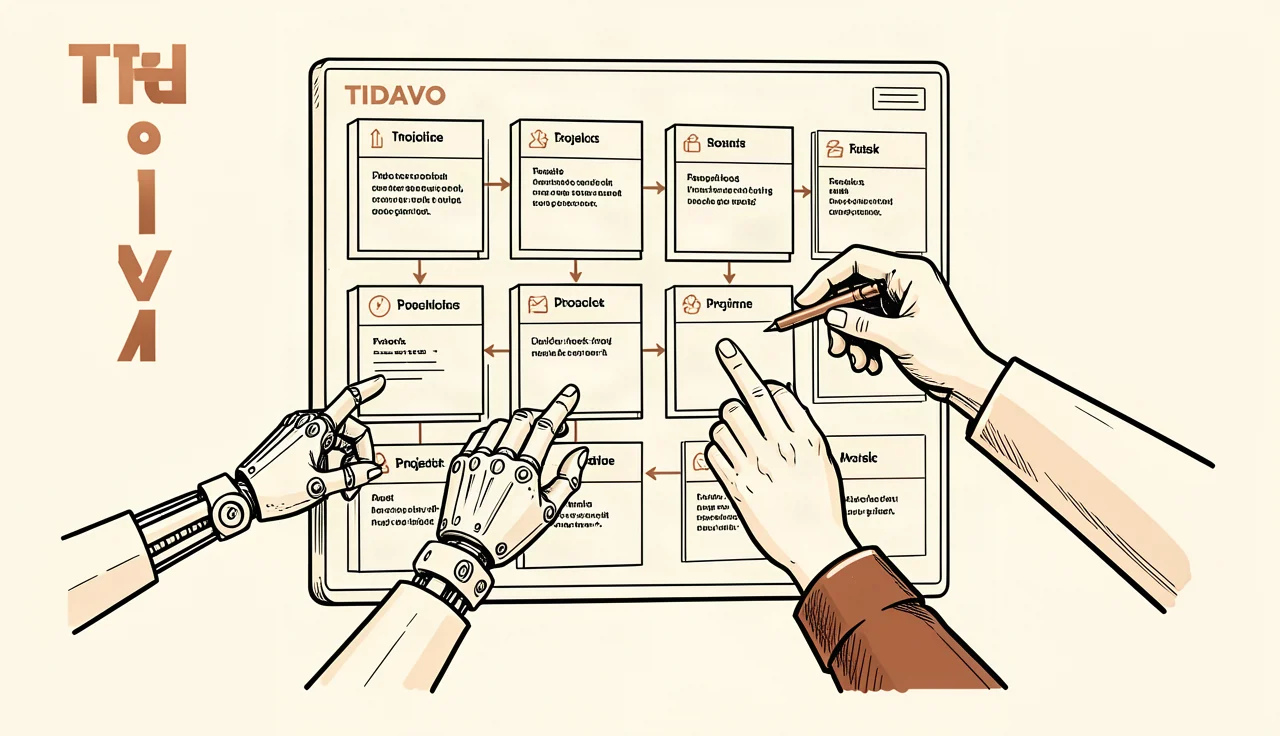
Atlassian builds shared digital workspaces where software bots and employees collaborate under strict rules
A fresh set of protocols and interface tools aims to transform automated assistants from isolated chatbots into accountable project contributors.
7 Oct 2026
Workplace software typically treats artificial intelligence as an isolated sidebar or an invisible background script. At its Team '26 Europe conference, Atlassian Corp. presented an alternative setup intended to treat automated agents as visible teammates operating within the same project boards, wikis, and repositories used by staff.
Central to this effort is the Agentic Multiplayer Protocol, a framework designed to give software agents explicit identities, roles, and boundaries. Instead of permitting autonomous tools to roam corporate networks unchecked, the system requires administrators to assign each agent specific permissions and project scopes, ensuring every automated action remains governed and auditable.
To handle assignments that require several hours of independent effort, Atlassian introduced Rovo Work. The system accepts extended assignments from users, outlines an operational plan, and awaits approval before proceeding. People remain in control at key checkpoints, offering corrections and evaluating the finished output rather than surrendering oversight entirely.
When presented with an objective outside its existing baseline, Rovo Work can evaluate what skills or resources it lacks and seek out the necessary methods. During one demonstration involving video creation, the assistant looked up technical guidelines for social media clips, acquired the appropriate media synthesis tools, and produced the asset rather than simply refusing the request.
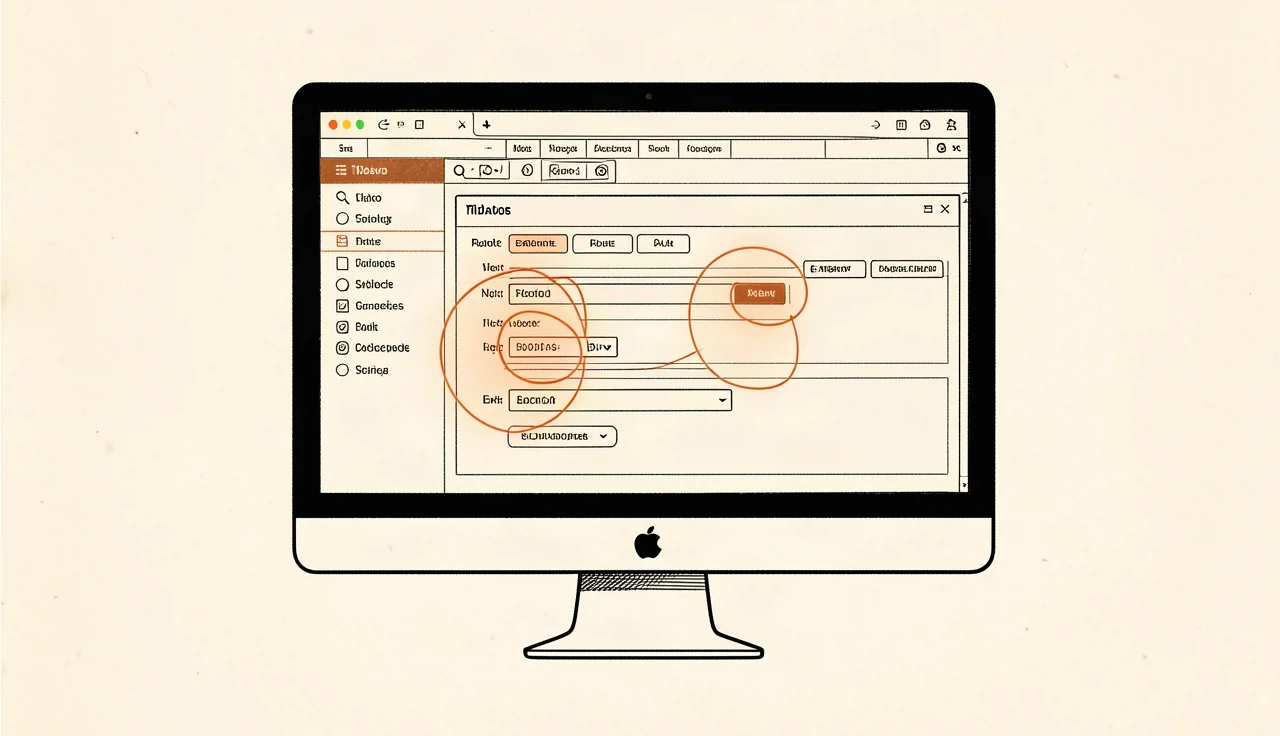
Directing these tools also moves beyond traditional text instructions through the use of Loom screen recordings. Users can record short videos explaining an assignment out loud while pointing to buttons, drawing notes, and demonstrating interface movements on screen. The system converts those visual gestures and spoken remarks into precise technical parameters for the agent.
For engineering teams, the company expanded its data connections to give agents a deeper grasp of why software changes happen. Through Rovo Code Search, source code joins company documents and personnel directories within the Teamwork Graph, while connections to services such as Databricks, Snowflake, and Google BigQuery supply supporting commercial metrics.
The broader ecosystem depends on an expanded Model Context Protocol server that enables outside coding tools to write updates directly back into Atlassian services. Handling approximately 15 million calls daily across 200 available tools, this setup turns the platform into an interactive hub where external agents leave behind completed steps for people or other software to inspect.
This coordination is meant to be visible across collaborative environments like Confluence. By tracking simultaneous contributions, an automated agent can observe edits made by human colleagues in real time, modify its own drafts to prevent conflicting information, and maintain a shared record of ongoing company projects.