

Photo credits
Arctic cod survived Ice Age, but warming threatens them
Scientists uncovered ancient fish ear stones that show cod survived the last Ice Age, but warming seas may push them into competition with new species.
24 Oct 2026 0 reads Compiled with AI
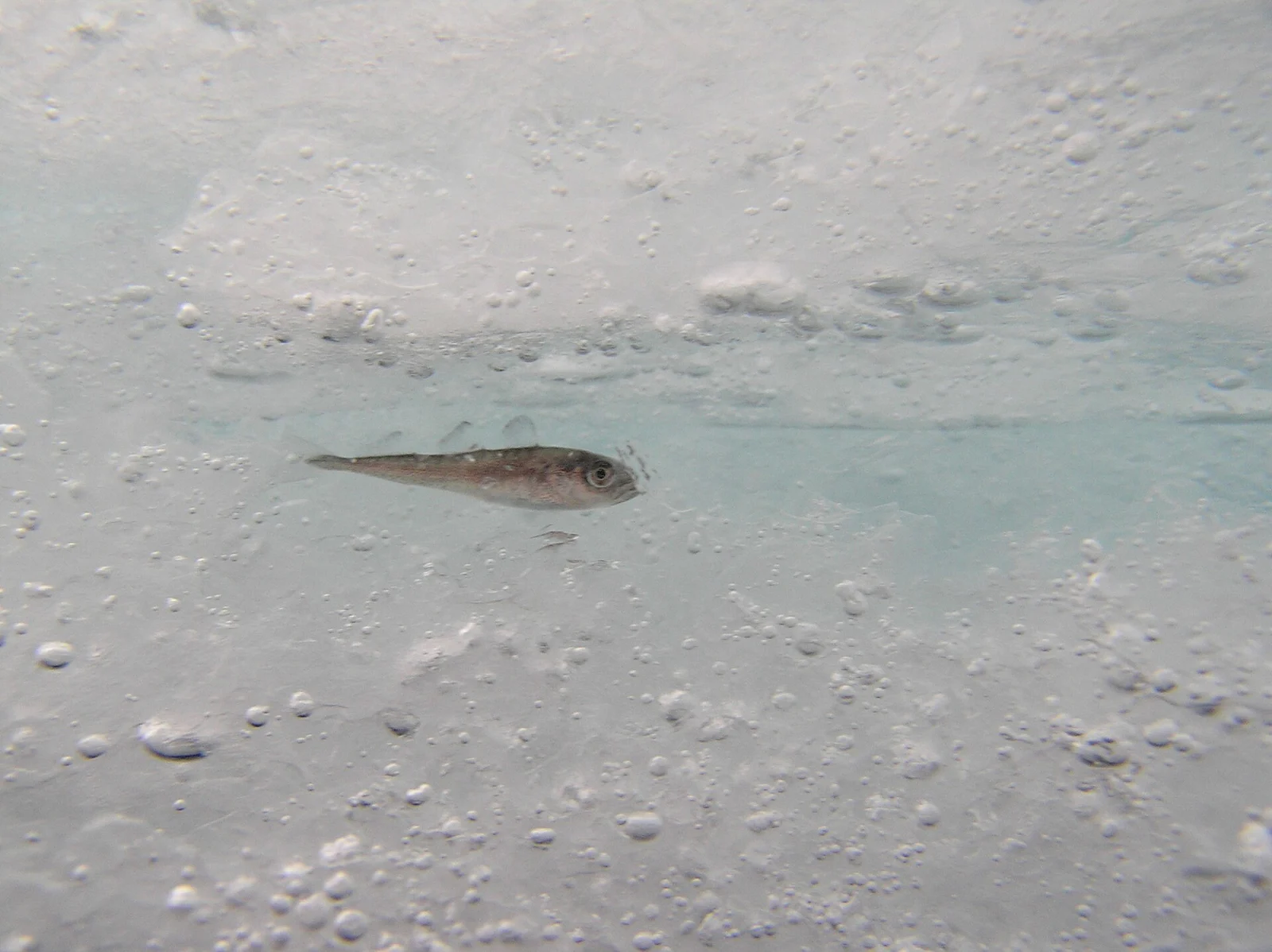
Scientists aboard the Swedish icebreaker Oden in 2021 collected mud from the Arctic seafloor, where they unexpectedly found fish ear stones. These tiny stones reveal a fish’s species, and radiocarbon dating shows roughly how old each one is. Researchers recovered 256 specimens from five sites near the North Pole and north of Greenland, some dating back nearly 48,000 years. The stones show that both ice cod and polar cod lived in the Arctic during milder periods of the last Ice Age, and that ice cod also survived during the coldest phases, as shown by stones dated to about 20,000 years ago.
The presence of ear stones indicates that a food web existed beneath the ice, because fish need plenty of prey to survive. During warm spells, thinner ice allowed more sunlight to reach the water, boosting algae growth, while water currents from the Atlantic and Pacific could bring nutrients and plankton. Even when the sea was heavily ice‑covered, small openings called polynyas may have offered refuges where fish could feed. The discovery shows that the Arctic ocean was not empty but supported life even in remote areas.
Coldest gaps in the record
However, the record is blank for a large interval between about 35,000 and 12,000 years ago, including the coldest part of the ice age. Scientists linked this gap to a drop in sea level that formed a land bridge between Asia and North America, cutting Pacific water flow into the Arctic and reducing nutrient input. Thick summer ice and limited open water would have left little food for large fish, leaving the record near the pole empty of cod ear stones. The missing stones are unlikely to have dissolved in the mud, making food scarcity the most plausible explanation.
Today the Arctic is warming, thinning sea ice, and allowing boreal species such as Atlantic cod and Alaska pollock to move northward. Researchers warn that the arrival of these newcomers will increase competition for food and raise predation pressure on native cold‑water species. Ice cod, in particular, may be at risk because it relies on icy conditions and has low genetic diversity. The study, published in Nature Communications, highlights how past adaptations that once enabled survival could now expose these fish to a changing environment.