
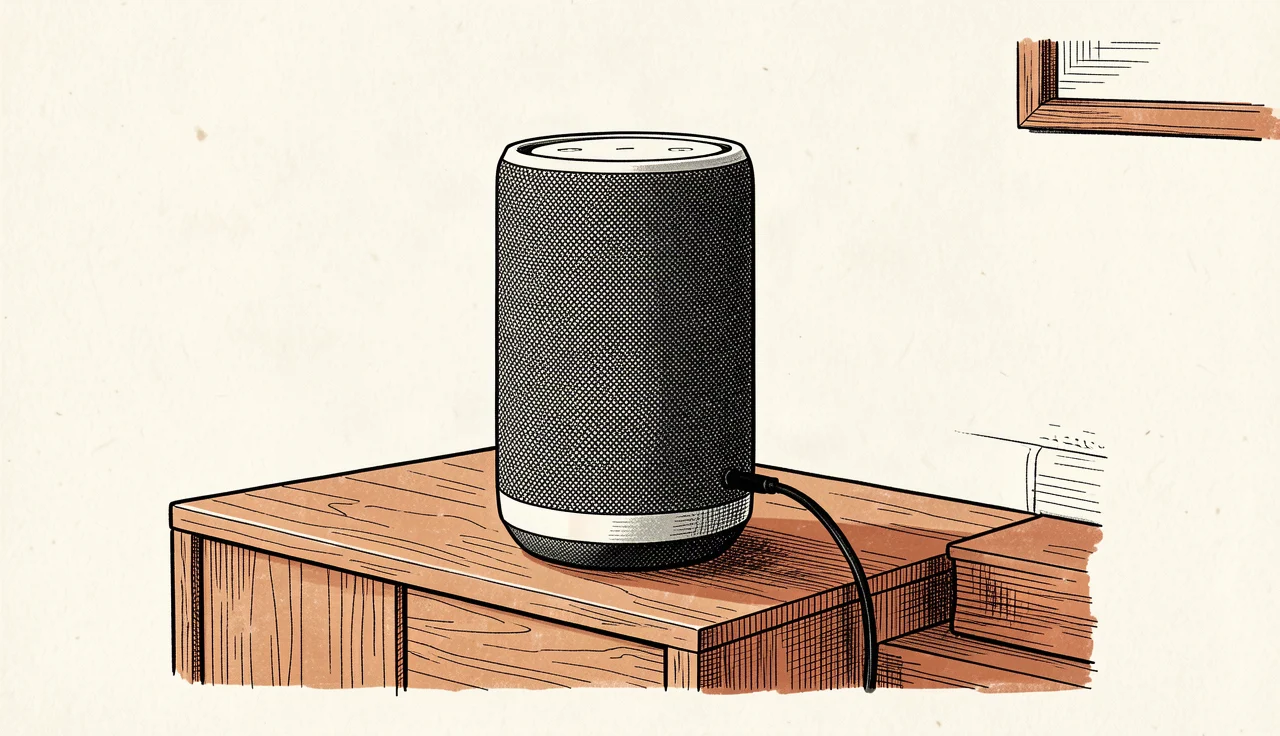
Amazon Ends Voice Commands for Aux Cables on Older Echo Smart Speakers
Owners can still route wired audio into legacy hardware, but spoken requests to switch the input will no longer function.
6 Oct 2026
Amazon has discontinued the voice commands that allowed owners of older Echo speakers to control sound fed through the physical auxiliary port. The adjustment disables spoken phrases such as requesting line-in playback, forcing users who plug external audio players into their smart speakers to manage the connection manually.
The change affects several models manufactured between 2018 and 2020. Among the impacted devices are the second-generation Echo Plus, the third-generation standard Echo, the original Echo Studio, and the fourth-generation Echo. In recent years, Amazon has ceased including analog 3.5mm inputs on its smart speakers entirely.
Notice of the retirement surfaced when owners began sharing emails received from the retailer outlining the loss of functionality. Amazon verified the policy update shortly afterward, clarifying that spoken prompts directing the voice assistant to select or start the auxiliary feed have stopped working.
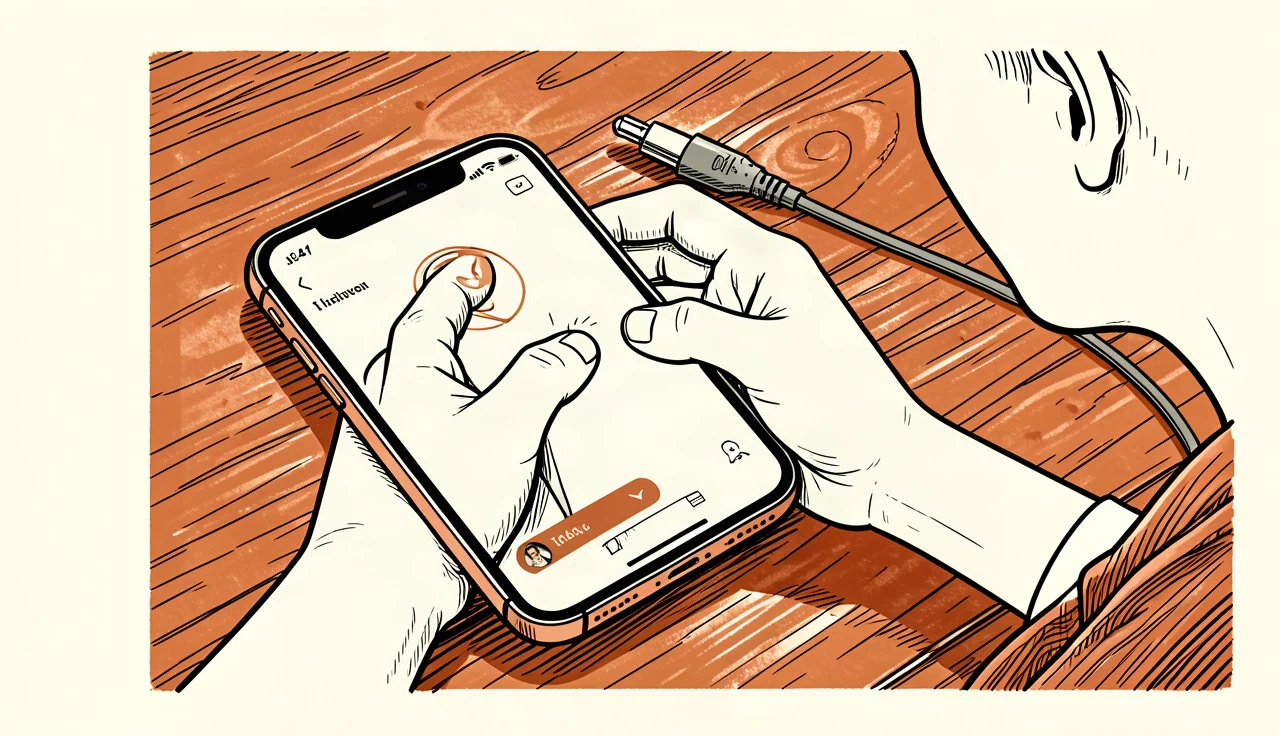
Despite the removal of voice support, the physical hardware remains functional. Sound will still pass through from connected devices via an analog cable, and owners can continue toggling the auxiliary channel using the companion mobile application. Wireless streaming through Bluetooth also remains intact as an alternative method for playing third-party audio.
In defense of the retirement, a company representative noted that only a negligible proportion of customers ever gave voice commands to manage auxiliary connections. Amazon declined to disclose specific user figures or offer an official explanation for why the software feature was withdrawn.
Retiring rarely used voice commands could help streamline maintenance across the platform as Amazon directs development resources toward modern software overhauls, including its upcoming subscription service, Alexa+.
The decision follows earlier instances where Amazon eliminated capabilities from hardware already in consumer homes. During the previous year, the company quietly removed a privacy setting that had permitted owners of the fourth-generation Echo alongside certain Echo Show displays to prevent their voice recordings from uploading to central servers.