
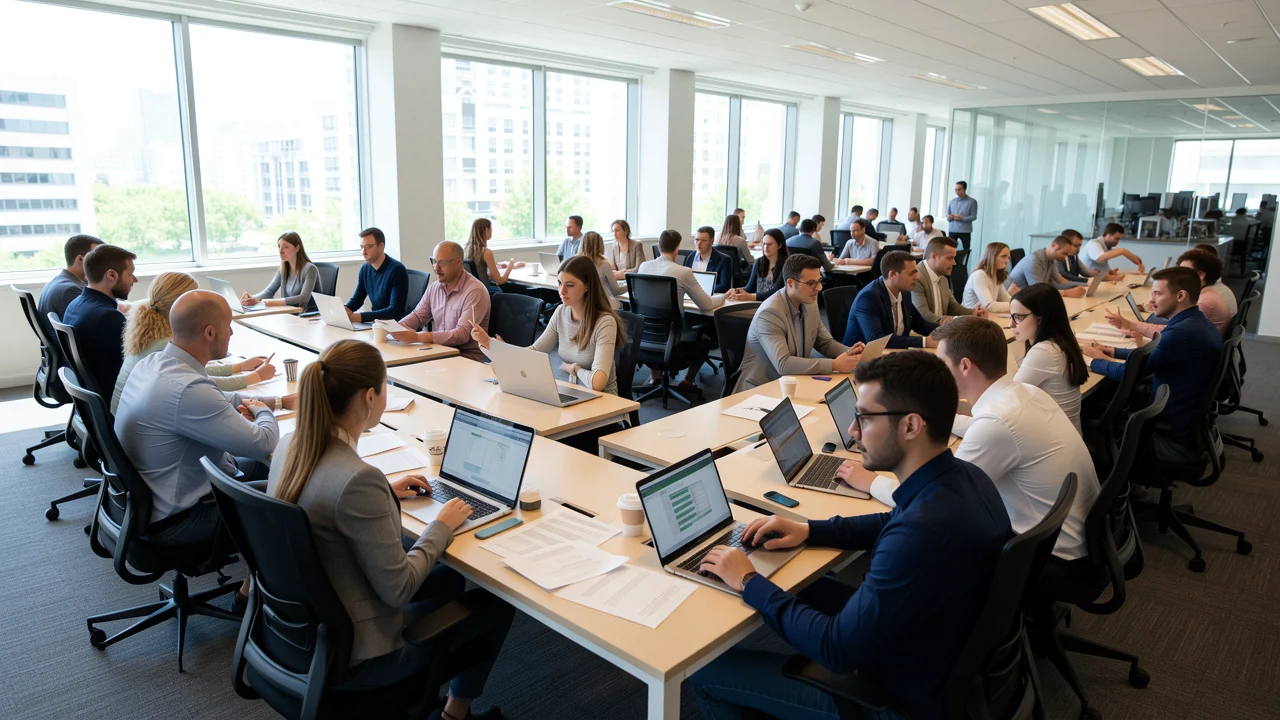
AI Startups Return to Physical Hubs for Trust and Growth Despite Remote Tools
Leaders at a recent event in Turin note that while digital tools allow global work, founders are choosing to gather in person to build trust, access capital, and create the serendipity needed to succeed.
8 Oct 2026
Artificial intelligence software has made it possible for any team to operate from any location. Yet a recent discussion at an event in Turin revealed a different trend. Founders are actively choosing to meet face-to-face even as these powerful tools become more common.
Roxanne Varza, who runs Station F in Paris, observed that the surge in artificial intelligence interest has brought more people together on site. The hub currently hosts one thousand early-stage companies ready to build products. She argues that while online interaction makes product creation easier, genuine trust is formed when people are in the same room.
Aiden Blake, a leader at Anthropic, echoed this sentiment during the panel titled The Power of Proximity. He noted that digital tools have removed barriers to entry for building and selling products. However, he believes the deepest connections happen through direct personal contact rather than screens.
Station F launched a specialized program called F/ai in February to support these new artificial intelligence ventures. Several major technology partners including Anthropic, OpenAI, Mistral AI, and Meta are involved in this initiative. The rules for joining require teams to be present on campus for specific scheduled events. Varza explains that skipping these gatherings often means a startup loses the necessary momentum to grow.
This physical model is attracting international talent beyond just France. Varza stated that roughly two-thirds of the current batch includes founders from Asia, Stockholm, the UK, and Poland. Blake added that Anthropic participated because the company wants to be part of this specific community of builders.
The value of gathering lies in three key areas: people, information, and chance encounters. Many founders attending are repeat entrepreneurs with deep networks that can open doors. Varza believes you cannot force a relationship through software, but being present allows good things to happen by accident.
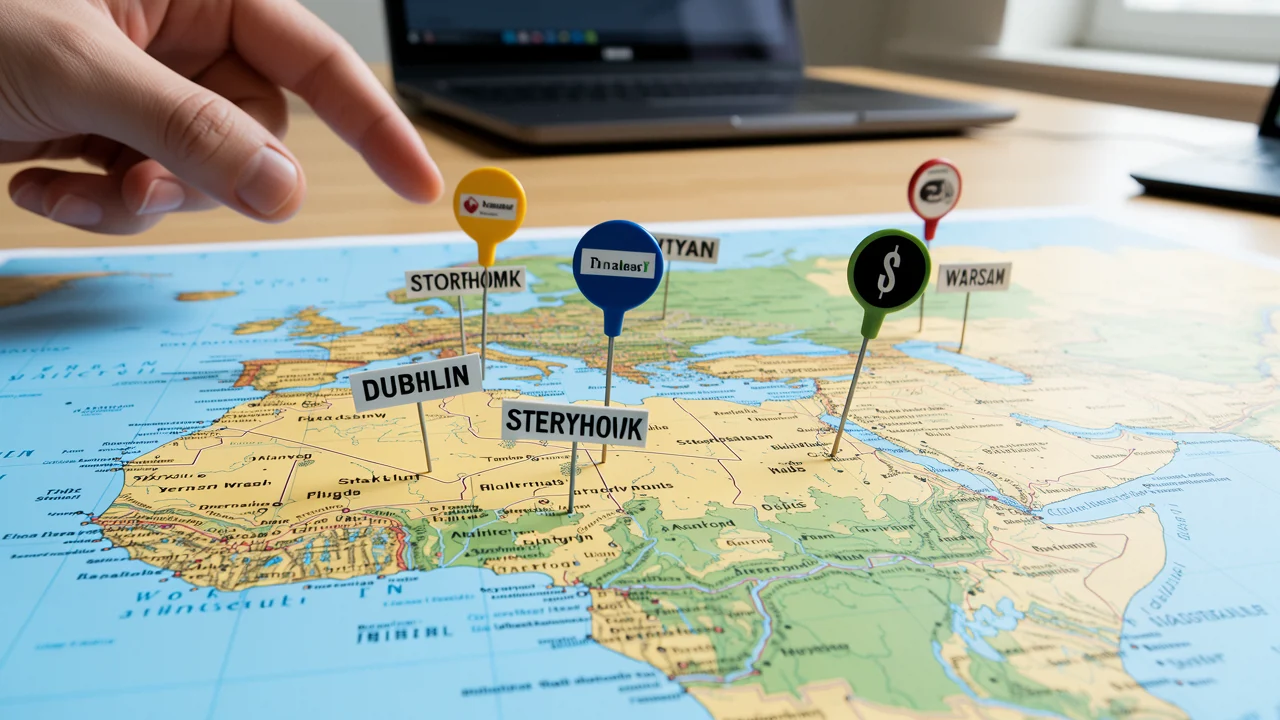
Blake noted that his company's events help founders meet peers facing similar challenges. They also provide a chance to learn from those further along the journey. He highlighted that proximity also grants access to capital, pointing to emerging startup scenes in cities like Stockholm and Warsaw where funding is growing.
Some leaders in Europe no longer see money as the biggest obstacle for new companies. Luca Ferrari of Bending Spoons made this point at the same event. Blake mentioned that Anthropic supports ventures across Europe, the Middle East, and Africa from an office in Dublin. The city offers skilled workers and a time zone that connects markets from South Africa to Germany.
While remote work remains an option for some, others are returning to shared spaces as they expand. ElevenLabs began as a fully remote team but opened a new office in Brussels last month. Blake observed that many who worked from home now want to be back with their teammates, especially those handling sales and customer relations.
Not every organization agrees with this shift toward physical offices. Dropbox recently announced that its co-CEO plans to keep the company fully remote for the foreseeable future. Varza suggested that future success will depend on how fast founders can build relationships alongside their technical capabilities.
Predicting the long-term future of work remains difficult even for experts. Blake admitted he finds it hard to forecast just five days ahead. He believes the winning startups will be those that clearly define the problem they solve and stay focused on what their customers actually need.