
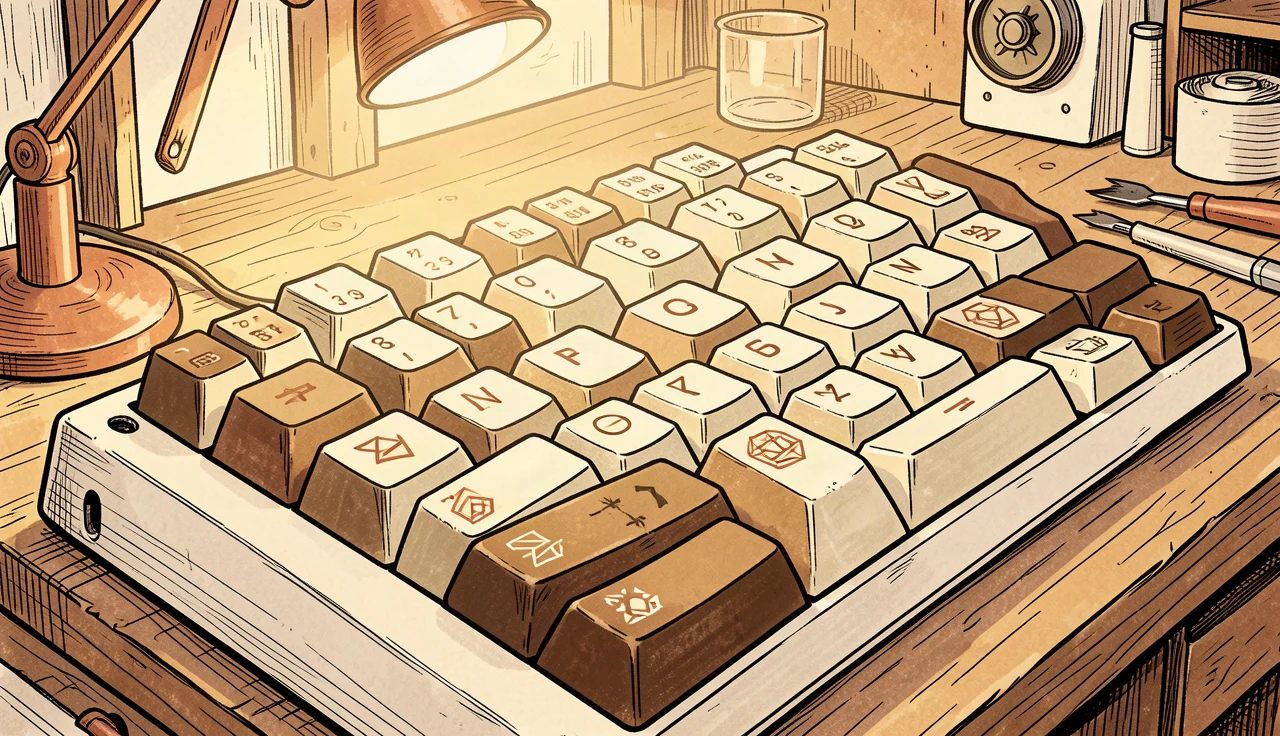
A digital font recreates the physical lettering found on Commodore 64 keyboards
Designer Levente Szabadkai has turned the printed symbols and graphics of the 1980s home computer into a downloadable vector typeface.
7 Oct 2026
Typographers and retro computing fans have long preserved the blocky, pixelated characters that appeared on the television sets connected to early home computers. Less attention has gone to the actual plastic hardware under the typist's fingers. A new independent digital font changes that by recreating the printed symbols and lettering found across the physical keyboard of the Commodore 64.
Created by Levente Szabadkai, the typeface was drafted from close-up photographs of original hardware keys. Szabadkai cleaned up the imperfections of aged plastic and standardized the proportions across the alphabet, producing smooth vector outlines rather than raw photographic traces.
The project focuses squarely on the exterior industrial design rather than internal software. Early home computer keyboards often carried distinct mechanical printing that never transitioned into modern desktop operating systems, leaving enthusiasts without an easy way to reproduce the look of authentic physical documentation or mockups.
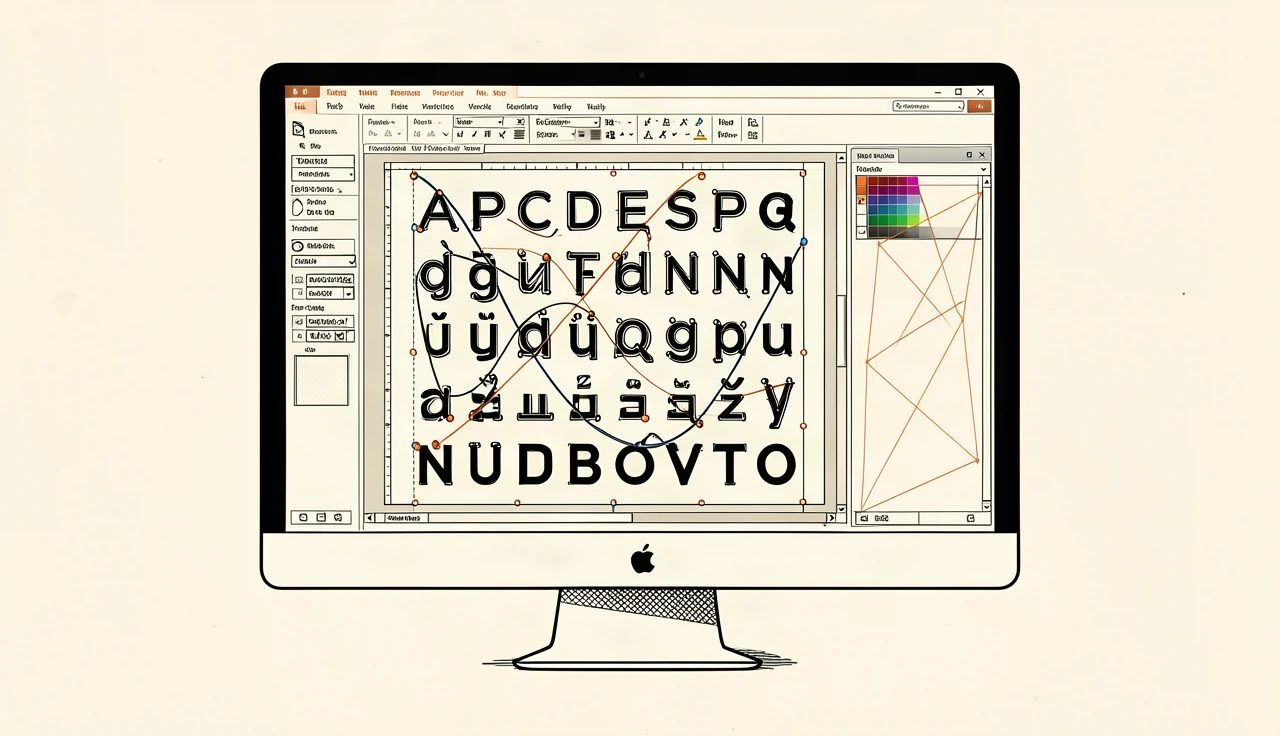
Because the original computer layout did not feature lowercase keycaps, the digital typeface behaves the same way. Typing lowercase characters simply outputs capital letters. The set also includes standard numerals, punctuation, the British pound symbol, function-key indicators, and accented characters tailored for Hungarian text.
Beyond standard alphanumeric keys, the Commodore 64 featured a proprietary character set known as PETSCII, whose symbols were printed on the front vertical faces of the keycaps. Szabadkai reconstructed all 63 of these graphic elements using reference documentation to match their original layout and assigned shortcuts.
Hardware differences across the production lifespan of the machine appear to have influenced the design. One observer pointed out that the digital typeface uses solid directional arrows, whereas certain production runs of the physical computer featured hollow outline arrows instead.
The font is published as an unofficial release in TrueType, OpenType, and web font formats. The project package includes an interactive browser tester to help users copy special symbols, alongside the raw vector source files and build scripts for other designers who wish to modify them.